
October Lawn Tips
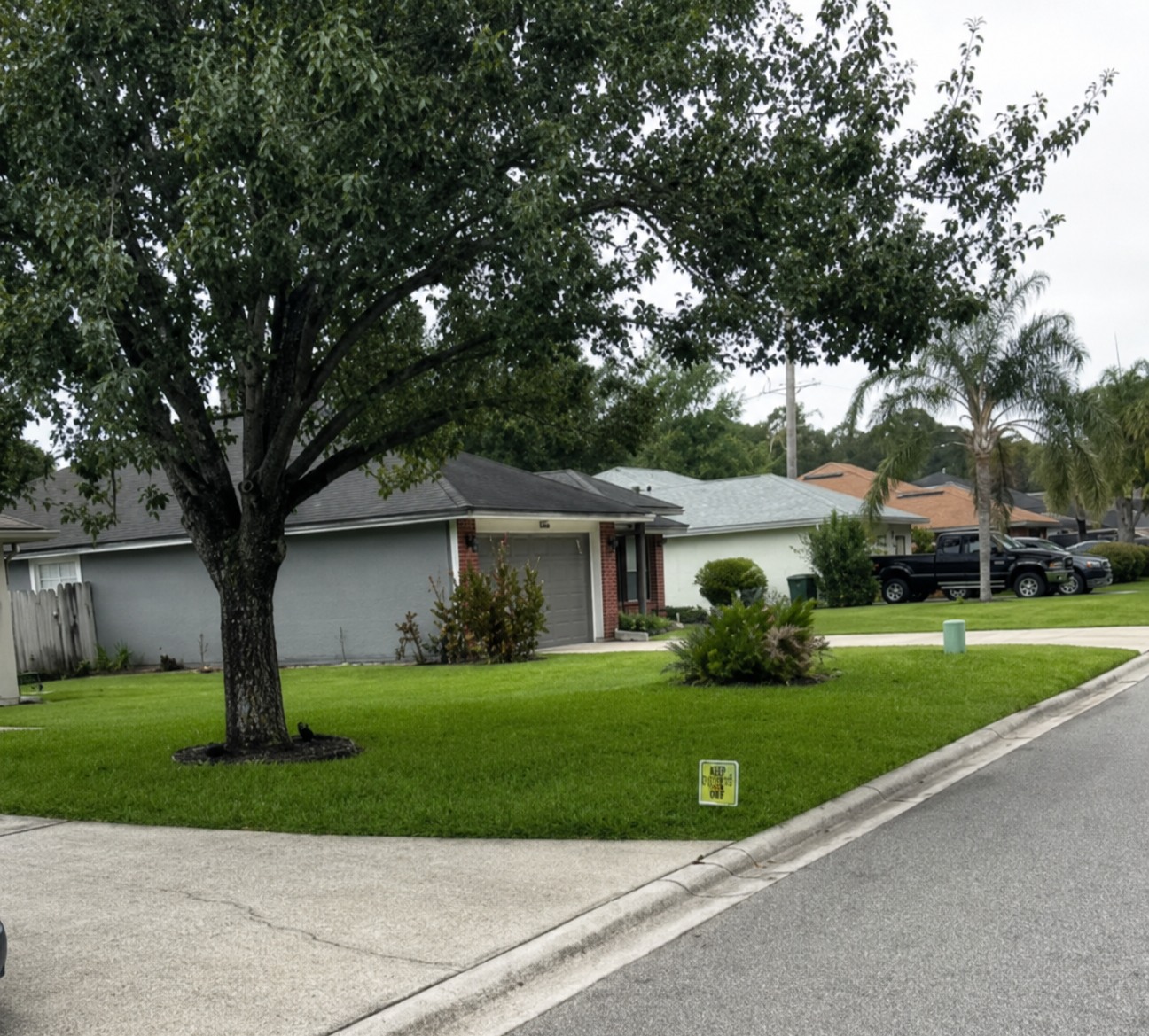
October brings another seasonal shift for lawns in Jacksonville and Northeast Florida. Warm-season grass can remain green and active, but shorter days and cooler nights begin slowing growth. This is the time to adjust watering, avoid pushing unnecessary growth, prepare for winter weeds, and watch for fall lawn disease. A few smart changes now can help protect your lawn as it heads toward the cooler months.
1. Be Careful With Late-Season Fertilization
October is not a month to automatically apply more fertilizer. For some North Florida lawns, a properly timed fall application may still fit the needs of the turf, while other lawns may be better off without additional nitrogen. Grass type, previous applications, lawn condition, and local fertilizer rules all matter.
If fertilizer is appropriate, the goal should be steady turf health rather than forcing a burst of soft top growth. A fall plan should consider:
- The grass species and how actively it is still growing.
- What nutrients have already been applied during the year.
- Slow-release nitrogen and little or no phosphorus unless a soil test indicates a need.
- The weather forecast so fertilizer is not applied ahead of heavy rain.
In Jacksonville, fertilizer applications also need to follow local rules designed to reduce nutrient runoff. More fertilizer is not necessarily better, especially as growth begins to slow.
2. Watch for Large Patch as Fall Conditions Arrive
Fall is an important time to watch for large patch on warm-season turf, especially St. Augustinegrass and zoysiagrass. The disease becomes more noticeable as temperatures moderate and moisture remains on the turf for longer periods.
Warning signs can include circular or expanding areas of yellow, orange, or brown turf. To reduce unnecessary disease pressure:
- Avoid excessive nitrogen late in the season.
- Do not keep the lawn constantly wet.
- Water early in the day when irrigation is needed.
- Have suspicious patches identified before treating them.
Brown or thinning turf can have several causes, so correct identification is important before adding water, fertilizer, or a pesticide.
3. Reduce Irrigation as the Lawn Needs Less Water
October usually brings a gradual change from summer's frequent storms toward drier fall weather, but lawns also begin using less water as growth slows. Irrigation should follow the lawn's actual needs rather than a fixed summer schedule.
Look for signs of water stress such as folding grass blades, a blue-gray color, or footprints that remain visible after walking across the lawn. If those signs are not present, another irrigation cycle may not be necessary.
When watering is needed, irrigate deeply enough to wet the root zone and do it early in the morning. Repeated shallow watering can encourage shallow roots, while excessive moisture can increase disease pressure.
4. Start Planning for Winter Weed Control
October is an important month for winter weed prevention in North Florida. Timing is driven more by temperature than by the calendar, and pre-emergent treatments work before weed seeds germinate rather than after weeds are already established.
A good weed-control plan should account for:
- Which weeds have been a recurring problem in the lawn.
- Whether the target weeds are already visible or have not yet germinated.
- The turf species and products that are labeled for that grass.
- Temperature and weather conditions at the time of treatment.
Healthy, dense turf is still one of the best long-term defenses against weeds, so weed control works best as part of an overall lawn-health program.
5. Keep Monitoring for Pests and Turf Stress
Warm days can continue well into October in Northeast Florida, so lawn insects and other pests do not disappear just because the calendar says fall. At the same time, heat stress, drought stress, disease, and insect damage can look similar from a distance.
Pay attention to areas that thin rapidly, lose color, or fail to recover after normal watering. Fire ant activity can also remain noticeable during warm weather. Identifying the actual cause before treatment helps avoid wasting time and applying the wrong product.
6. Let the Lawn Ease Into Cooler Weather
As growth slows, continue mowing as needed rather than cutting the lawn unusually short for fall. Scalping warm-season turf can add stress at the same time the grass is already beginning to grow more slowly.
October is also a good time to look for recurring trouble spots that showed up during summer, including:
- Thin areas that repeatedly struggle.
- Low spots that stay wet too long.
- Recurring weeds or pest activity.
- Areas affected by heavy shade or compacted soil.
Taking note of those patterns now makes it easier to manage the lawn through fall and plan for a stronger return to active growth next spring.
October Lawn Care in Jacksonville & Northeast Florida
October lawn care is about making a smooth transition out of the summer growing season. Careful fertilization, smarter irrigation, winter weed planning, and timely pest and disease monitoring can help protect warm-season turf as Northeast Florida moves deeper into fall.
Happylawns provides professional services including:
- Lawn fertilization, weed control, and lawn pest treatments
- Fire ant control
- Mosquito control
- Mole & armadillo control
- Shrub & bed treatments
Our lawn treatment programs are designed for Jacksonville and Northeast Florida conditions, helping homeowners protect their lawns through seasonal changes throughout the year.
Call us at (904) 721-0182 or request a free quote through our website.
Happylawns — servicing Jacksonville and surrounding areas.
At Happylawns, your yard is our priority.