
September Lawn Care Tips
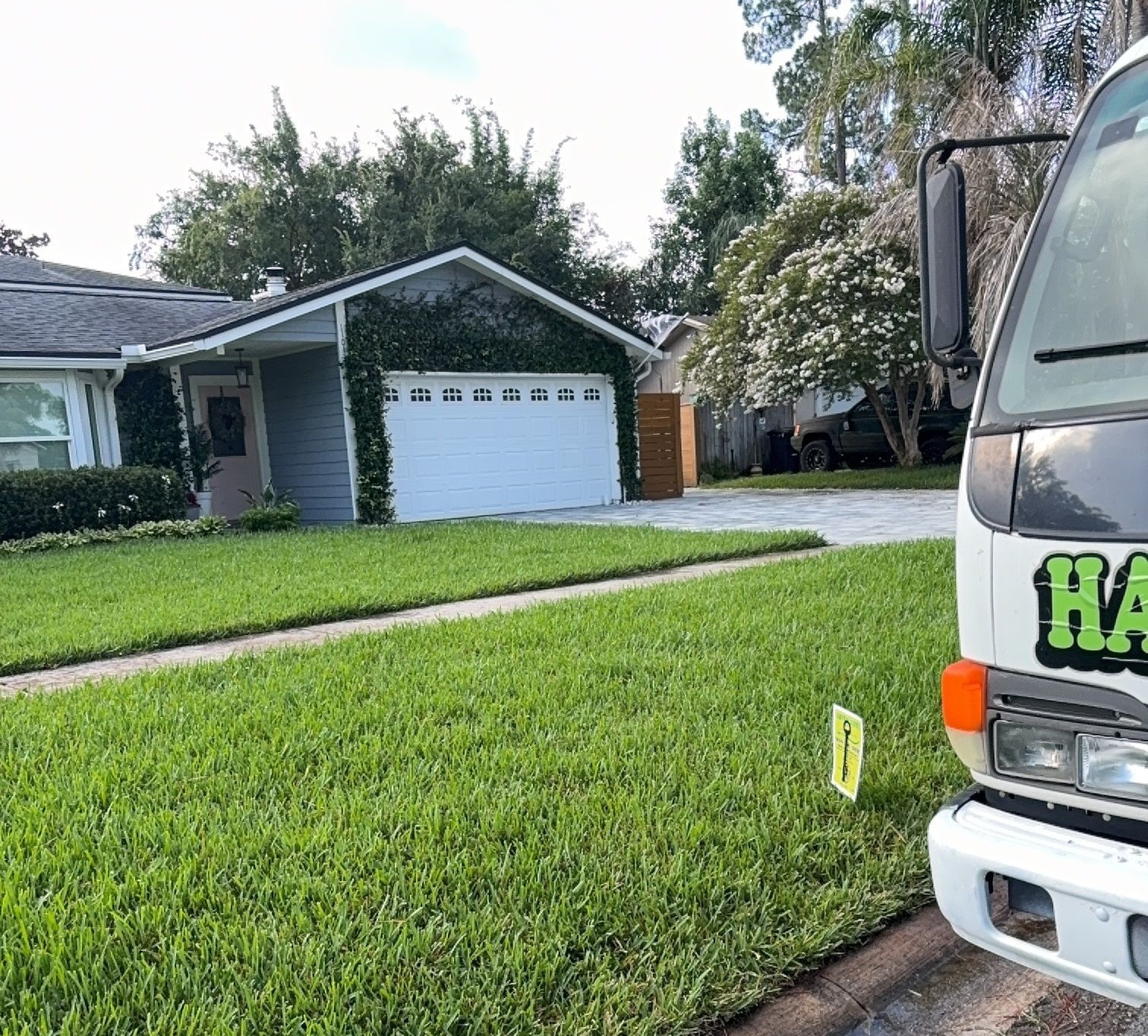
September is a transition month for lawns in Jacksonville and Northeast Florida. Summer heat can linger, but shorter days and changing rainfall patterns begin moving warm-season turf toward fall. Grass is still actively growing, which makes September an important time to correct nutrient needs, watch for late-season insects, manage weeds, and reduce conditions that can lead to fall lawn disease. A few well-timed decisions now can help your lawn enter the cooler months in better condition.
1. Make September Fertilization Count
For many North Florida lawns, September is the final major fertilization window before cooler weather slows turf growth. The goal is not to force excessive top growth, but to provide appropriate nutrition while the grass can still use it.
A smart September fertilization plan should consider:
- Your grass type and its actual nutrient needs.
- A soil test before adding phosphorus when possible.
- Controlled- or slow-release nitrogen for steadier feeding.
- Weather conditions so fertilizer is not applied before heavy rain.
More fertilizer is not always better. Excessive nitrogen late in the season can create tender growth and may increase disease pressure as fall conditions arrive. Professional lawn fertilization helps match the treatment to the turf, season, and local conditions.
2. Adjust Watering as Summer Rainfall Changes
September can still bring hot days and thunderstorms, but rainfall often becomes less predictable as the month progresses. Instead of watering simply because it is a scheduled irrigation day, pay attention to the lawn itself.
Signs that turf may actually need water include:
- Grass blades beginning to fold or curl.
- A blue-gray cast developing across the lawn.
- Footprints remaining visible after walking across the turf.
When irrigation is needed, water deeply and early in the day while following local watering rules. Avoid keeping the lawn constantly wet. Excess moisture, especially overnight, can encourage fungal problems as nights gradually become cooler.
3. Keep Scouting for Late-Season Lawn Insects
September does not mean lawn insects are finished for the year. Chinch bugs, fall armyworms, mole crickets, and sod webworms can remain active in North Florida during this month.
Watch for symptoms such as:
- Irregular areas that turn yellow or brown.
- Rapid thinning or patches that seem to spread.
- Grass that fails to improve even after proper watering.
Heat stress, drought, insects, and disease can look similar from a distance. Correct identification matters because treating the wrong problem wastes time and can allow the real cause to become worse.
4. Prepare for Fall Lawn Disease
As September moves toward fall, disease prevention becomes increasingly important. Large patch is a common concern on warm-season lawns and is often most noticeable during the spring and fall when moisture and temperature conditions favor disease development.
To reduce unnecessary disease pressure:
- Avoid excessive nitrogen fertilization.
- Do not keep turf wet for long periods.
- Water early rather than late in the evening.
- Have suspicious patches evaluated before they spread.
A lawn that develops circular or expanding discolored areas should be inspected instead of automatically receiving more water or fertilizer.
5. Use Targeted Weed Control Going Into Fall
September is a good time to reduce existing weed pressure while your lawn is still growing strongly enough to compete. Healthy, dense turf remains one of the best defenses against weeds.
Rather than treating the entire lawn with unnecessary products, targeted weed control focuses on the actual weeds and turf conditions present. This helps:
- Prevent established weeds from continuing to spread.
- Reduce competition for nutrients, water, and sunlight.
- Keep thin or stressed areas from becoming weed-dominated.
- Prepare the lawn for changing weed pressure later in fall and winter.
September is also a useful time to identify recurring problem areas so the right weed-control strategy can be planned instead of relying on a one-size-fits-all treatment.
6. Use September as a Fall Lawn Checkup
Before the growing season slows, take a close look at how your lawn performed through the summer. September gives homeowners an opportunity to catch patterns that may otherwise become bigger problems during fall.
Check for:
- Persistent thin or discolored areas.
- Recurring weeds in the same locations.
- Signs of insect feeding or fire ant activity.
- Areas staying wet long after rainfall or irrigation.
- Uneven color that may point to nutrient or turf-health issues.
Addressing these issues while the lawn is still actively growing can help it enter fall with less stress and give you a clearer plan for the cooler months ahead.
September Lawn Care in Jacksonville & Northeast Florida
September lawn care is less about pushing summer growth and more about making smart late-season decisions. Proper nutrition, careful irrigation, targeted weed control, and timely pest and disease management can help protect warm-season turf as Northeast Florida moves into fall.
Happylawns provides professional services including:
- Lawn fertilization, weed control, and lawn pest treatments
- Fire ant control
- Mosquito control
- Mole & armadillo control
- Shrub & bed treatments
Our lawn treatment programs are designed for Jacksonville and Northeast Florida conditions, helping homeowners protect their lawns through seasonal changes throughout the year.
Call us at (904) 721-0182 or request a free quote through our website.
Happylawns — servicing Jacksonville and surrounding areas.
At Happylawns, your yard is our priority.